Research Overview
Our research unfolds along two interconnected frontiers that reflect both scientific rigor and philosophical ambition.
Together, they guide our journey toward building complex materials informed by the principles of life.
I.
Symmetry-Coded Nanomaterials
“Writing information into matter through molecular sequences and chirality.”
We investigate how amino acid sequences and geometrical symmetry can encode functional properties into nanoscale structures. Our goal is to create materials that exhibit chirality, emergent behavior, and topological response—by design.
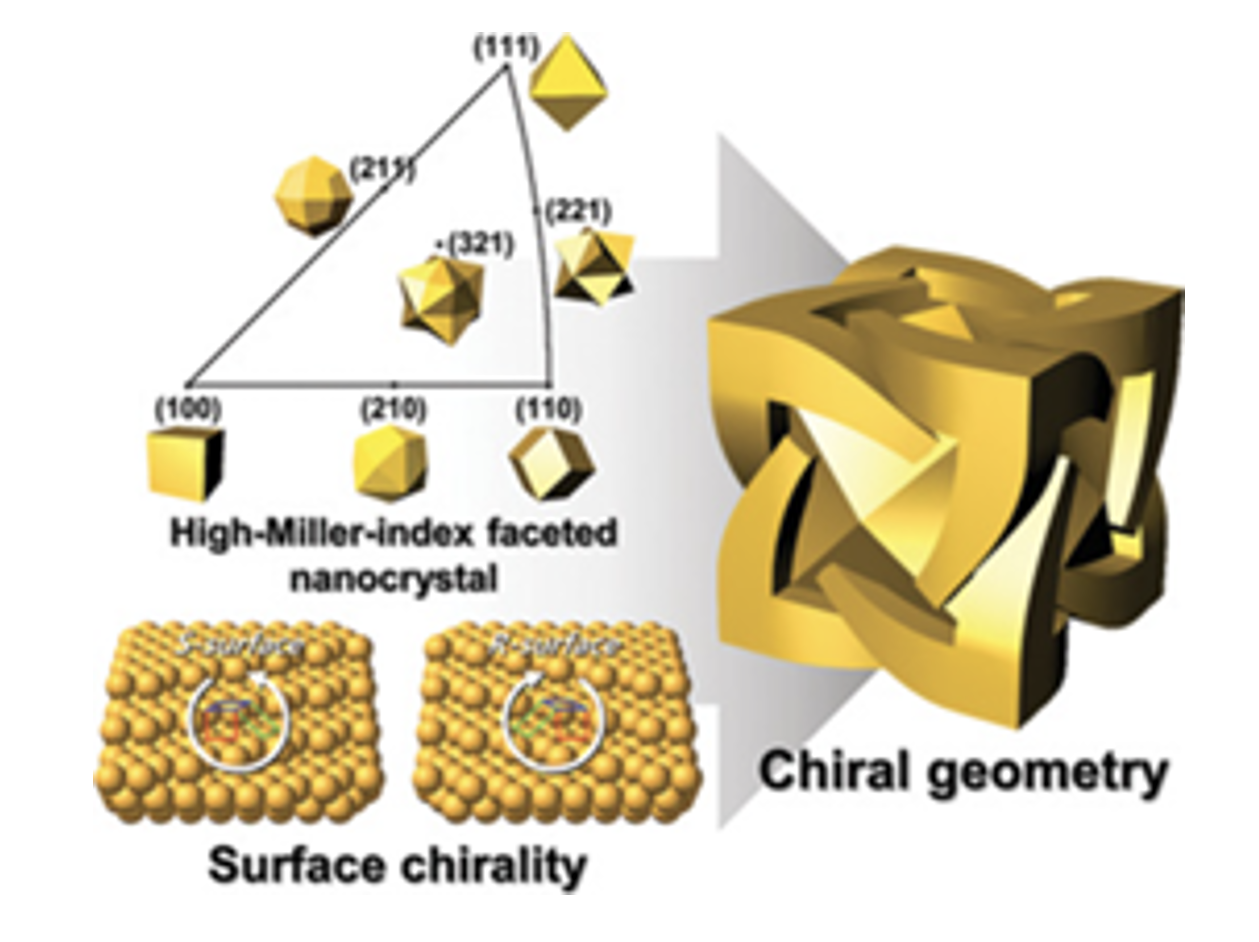
Sequence-Directed Chirality
• Peptide-templated synthesis of chiral gold and nickel nanoparticles
• Control of handedness and optical activity via molecular programming
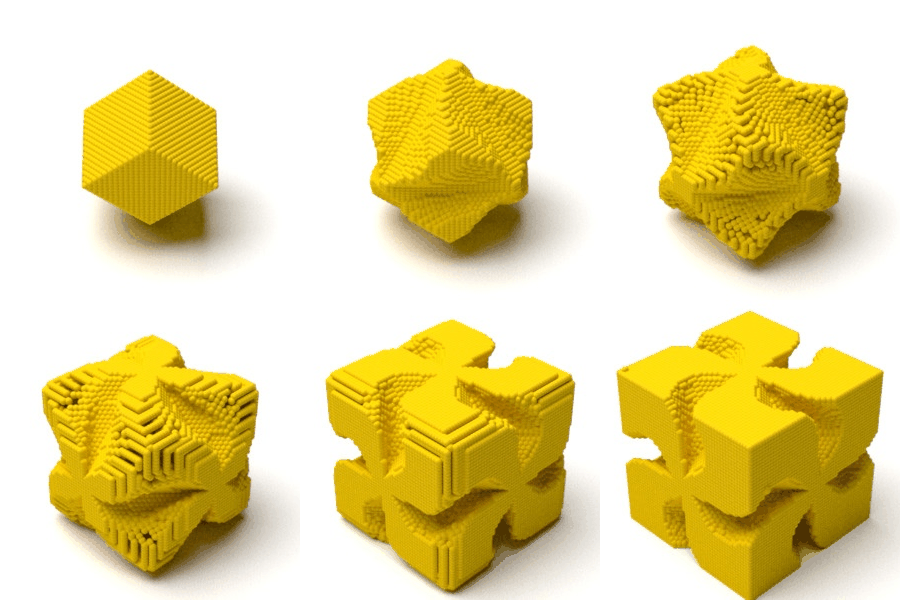
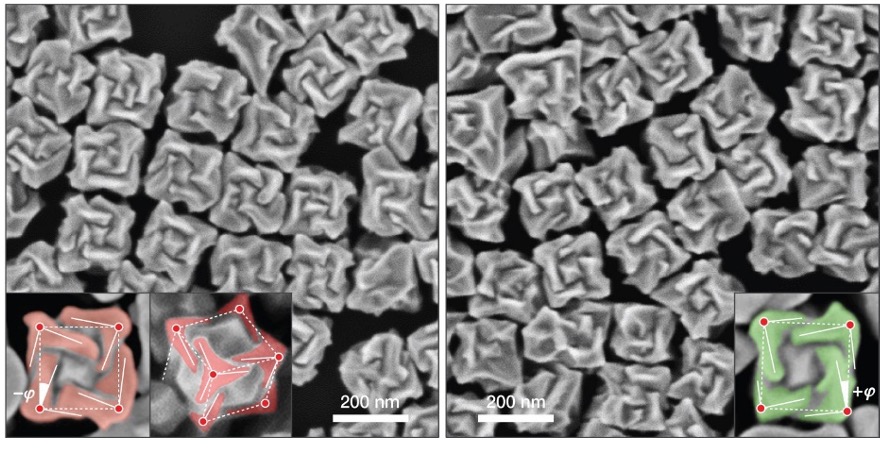
• 432-symmetry morphologies with tunable circular dichroism
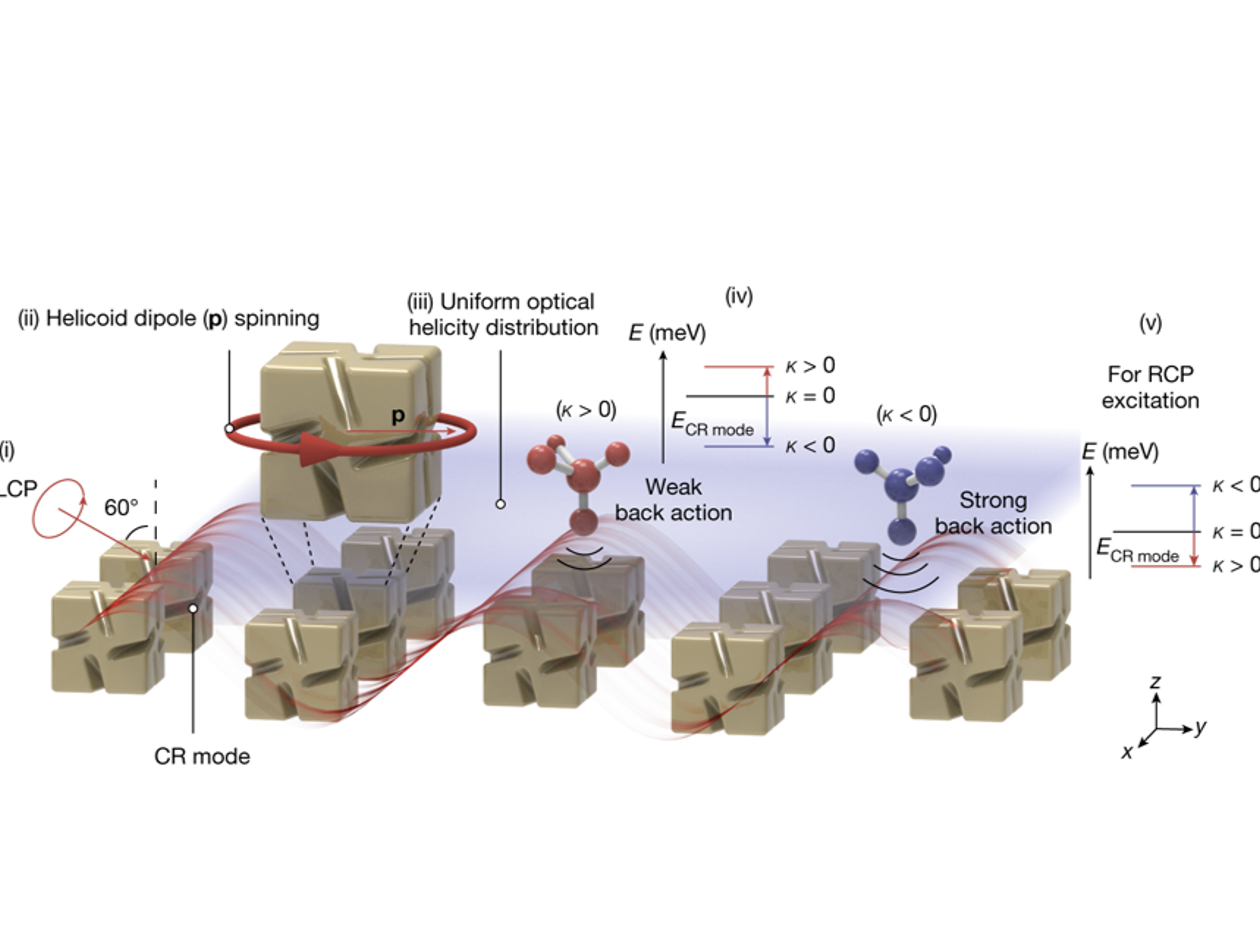
Light–Matter Entanglement
• Polarization-dependent plasmonic vortex generation
• Mapping surface dipole textures with topological charge
• Interfacing optical chirality with magnetic and electric modes
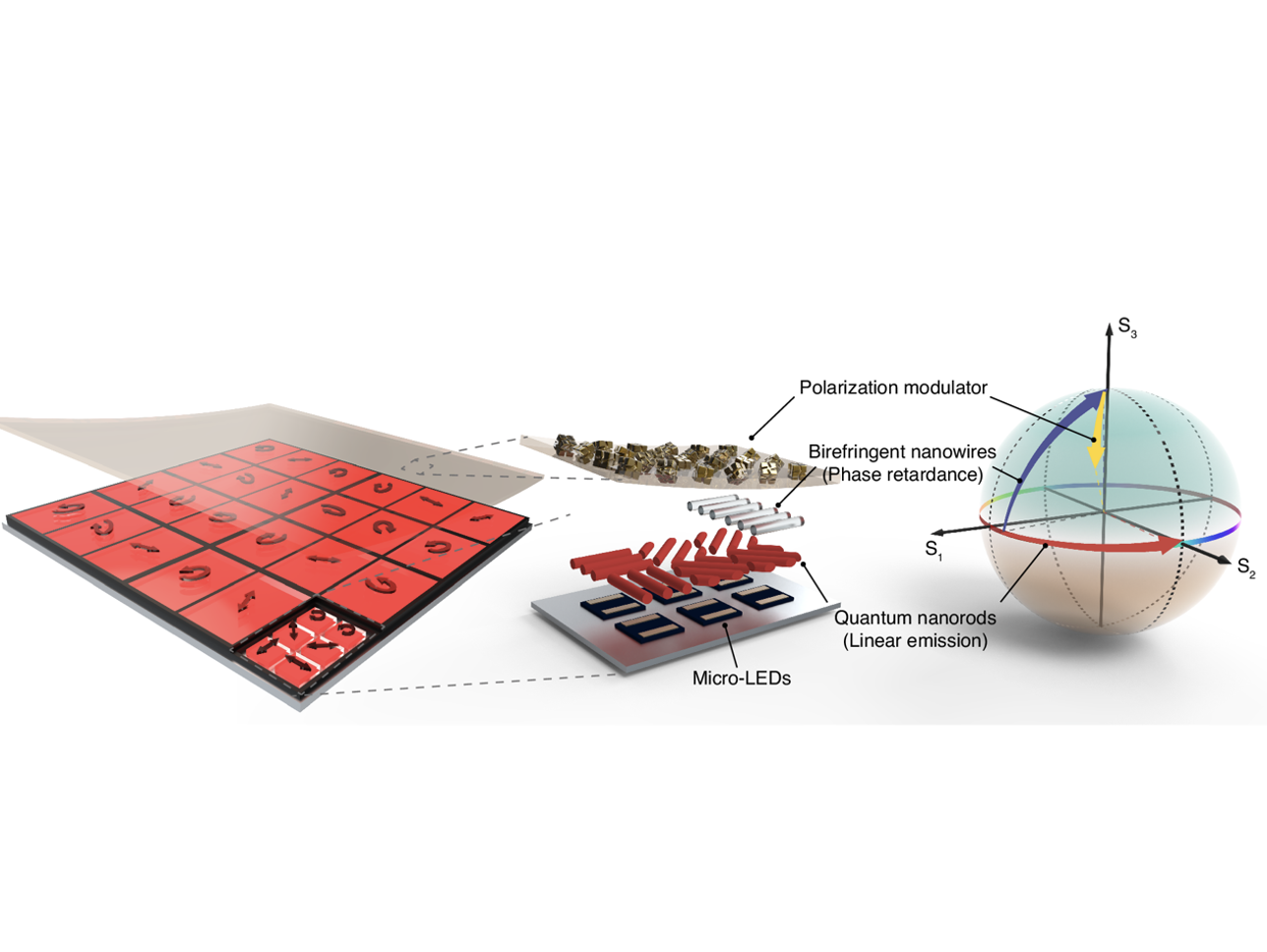
Emergent Lattices and Disorder
• Assembly of 1D/2D/3D chiral superstructures
• Disorder as a design tool for optical and electronic tuning
• Adaptive metamaterials with reconfigurable topology
II.
Electrochemistry at the Edge of Life
Designing bioinspired electron pathways for selective and adaptive transformations
We aim to emulate and extend nature’s redox strategies, enabling new electrochemical reactions for sustainable catalysis and molecular synthesis. Inspired by the precision of biological systems, we engineer electron flow, proton coupling, and dynamic interfaces for high-performance materials.
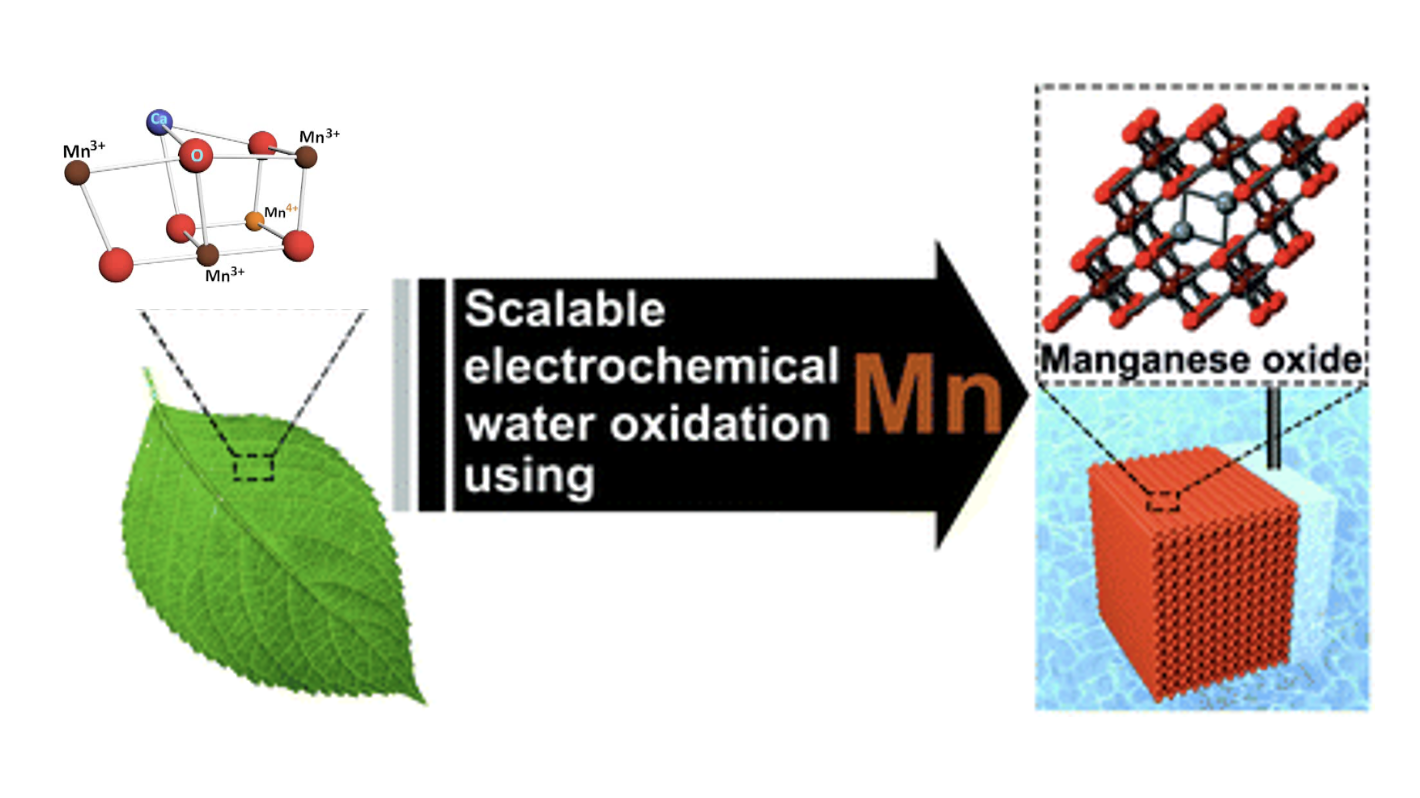
Manganese-Based Water Oxidation
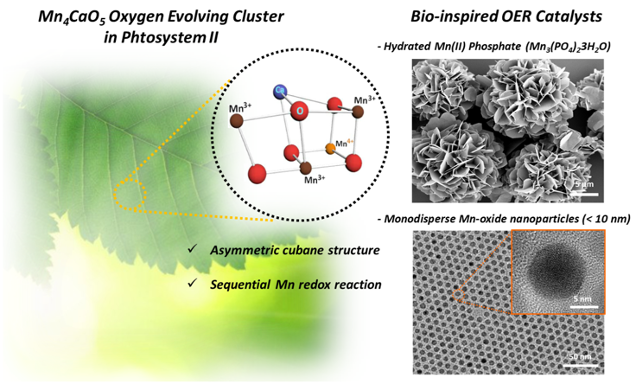
• Bioinspired catalysts modeled after the Mn–Ca cluster in photosystem II
• Redox-active structures operating under ambient conditions
• Mechanistic insights through time-resolved spectroscopy
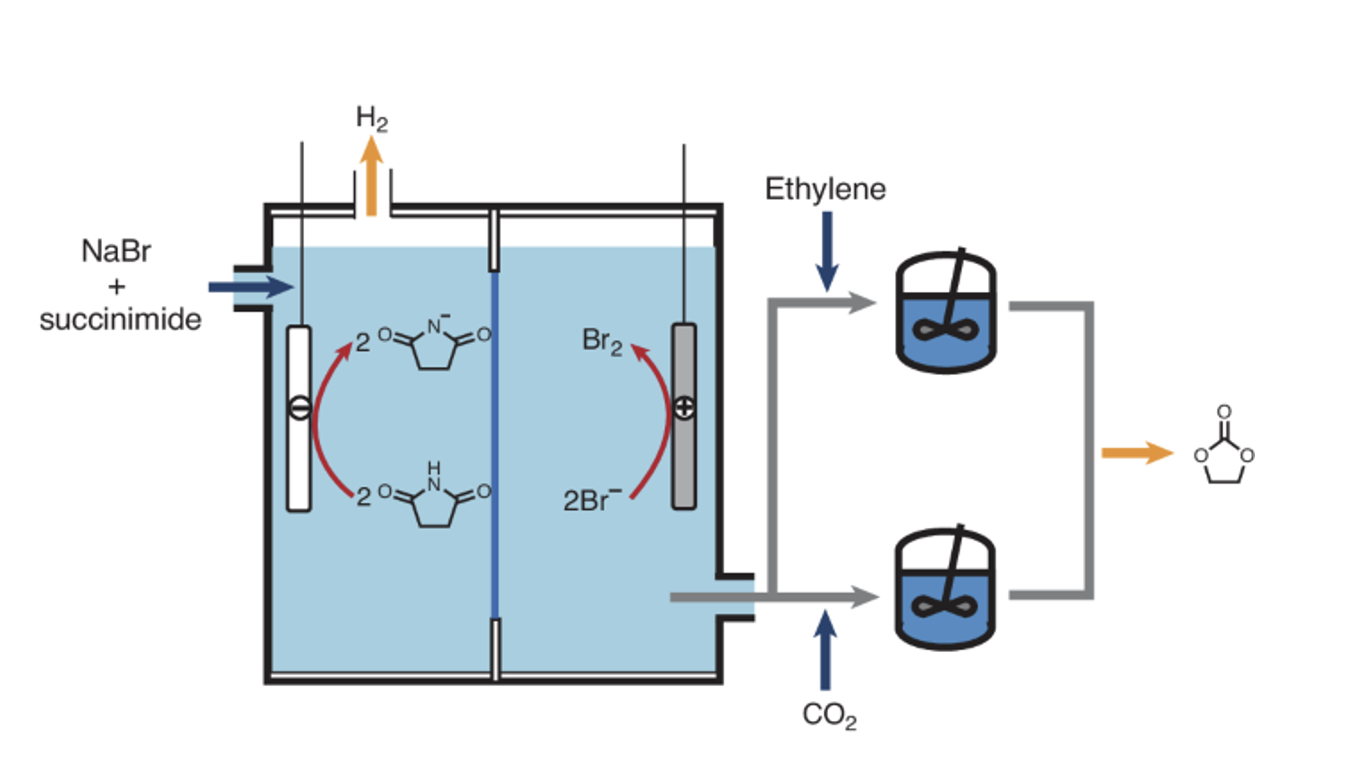
CO₂-to-Carbon Materials
• Electrochemical conversion of CO₂ into value-added polymers
• Scalable, redox-neutral pathways for carbonate and urethane frameworks
• Integration with biomass-derived building blocks
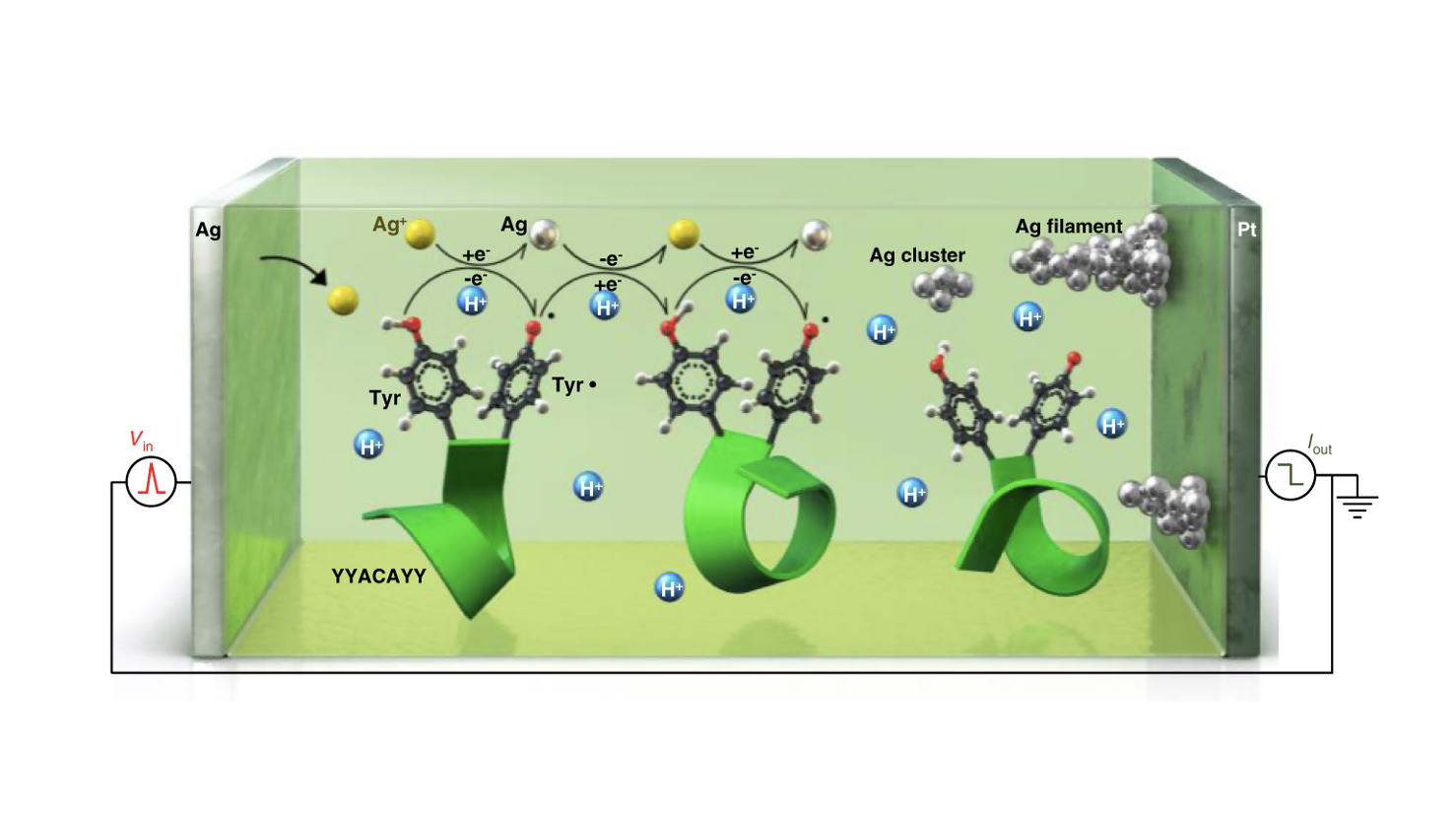
Sequence-Coupled Redox Systems
• Peptide-modulated electron and proton transfer at electrode interfaces
• Molecular-level control over reaction pathways and selectivity
• Operando probing of coupled electron–ion transport
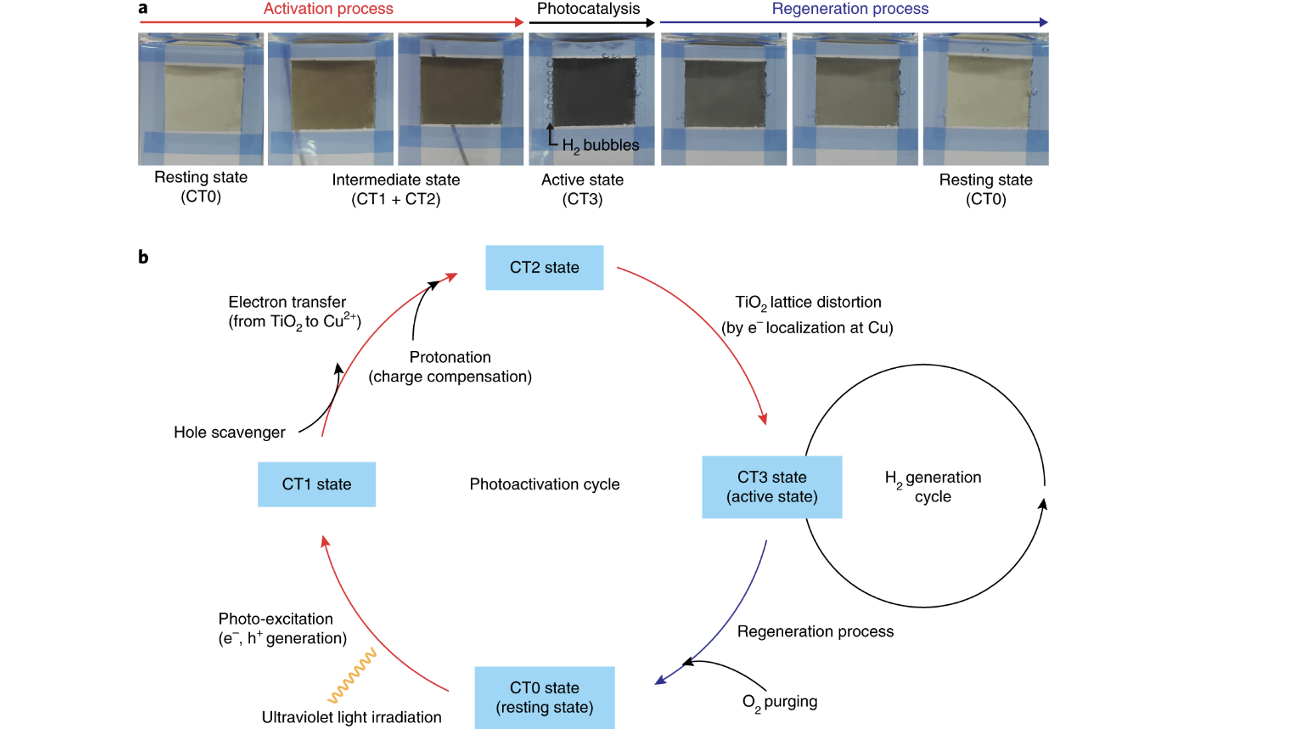
Adaptive Electrochemical Interfaces
• Surfaces that dynamically respond to applied potential
• Self-restructuring catalysts with feedback-driven performance
• AI-assisted discovery of optimal redox environments
Representative Achievements Summary
1.Chiral Gold Nanoparticles from Amino Acids and Peptides
Our lab was the first to demonstrate the sequence-controlled synthesis of chiral gold nanoparticles using amino acids and peptides, establishing a programmable route to plasmonic chirality in inorganic systems.
2. Redox-Neutral CO₂ Conversion Chemistry
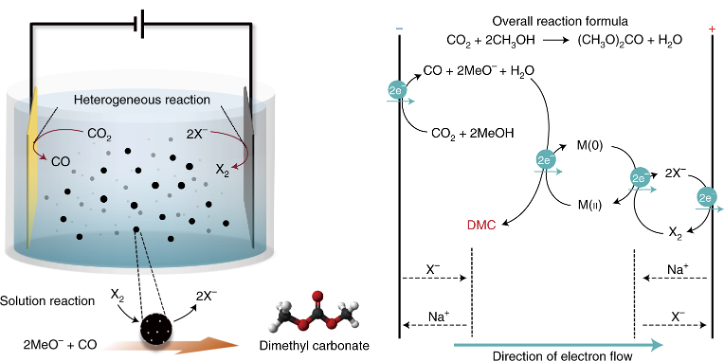
We pioneered a redox-neutral reaction pathway for CO₂ conversion, enabling the direct synthesis of carbon-based materials from CO₂ without external reductants or oxidants—a globally unprecedented strategy.
3. Manganese-Based Catalysts Inspired by Photosynthesis
By mimicking the Mn–Ca cluster in natural photosystem II, we developed state-of-the-art Mn nanoparticle catalysts for water oxidation. This technology has led to the successful industrialization of chlorine-evolving oxidation catalysts with commercial performance.
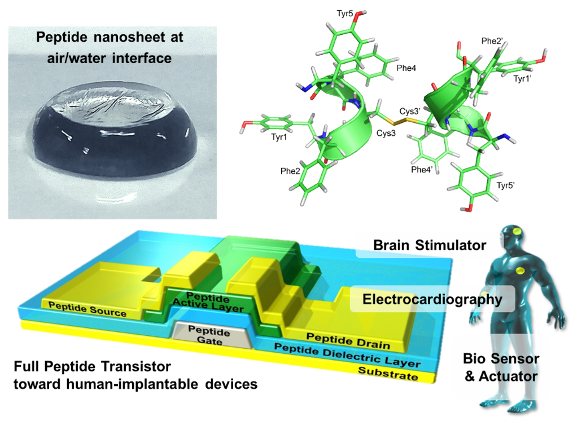
4. Tyrosine-Based Peptide Transistor
We developed the first biomodal neuromorphic device that operates using both electrons and protons, based on 2D peptide assemblies incorporating redox-active tyrosine residues—mimicking photosynthetic charge transport in nature.